Trader known for big aluminum bets is back with wager on copper
Sharp swings and large positions have been a key topic of conversation as the industry gathers in London for the annual LME Week marathon of contract negotiations, seminars and cocktail parties.
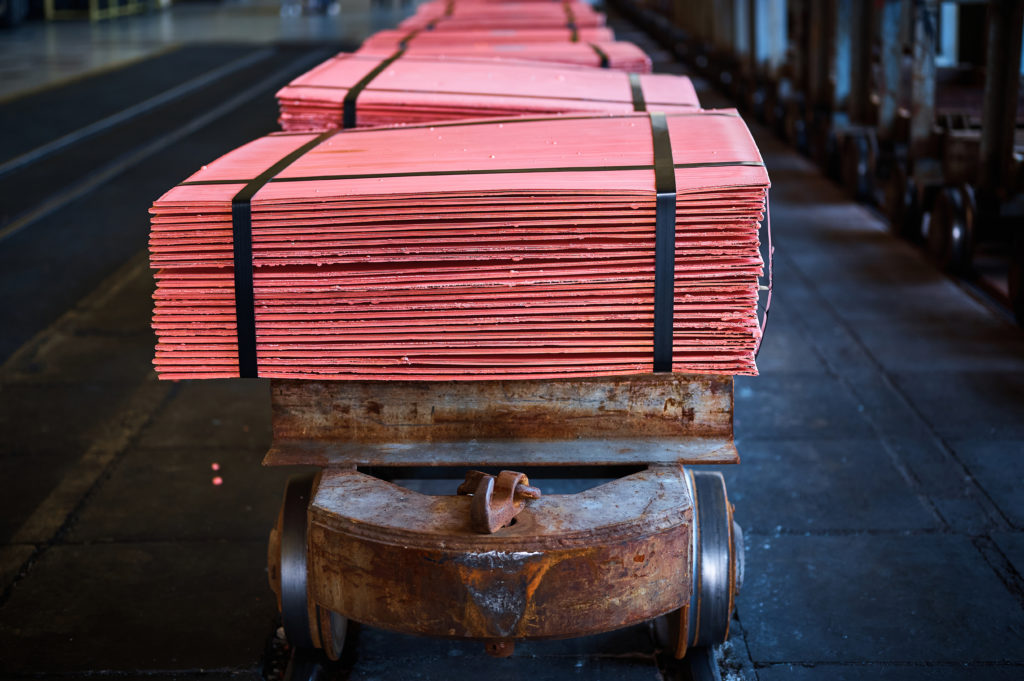
Cathode copper sheets. Stock image.
A veteran metals trader known for making bold bets in aluminum has returned to the market with a major copper play on the London Metal Exchange.
Sonny McNess, who left Mercuria Energy Group earlier this year and is now the head metals derivatives trader at Hartree Partners LP, has over recent weeks bought up large volumes of October-delivery copper contracts while taking a short position in November futures, according to people familiar with the matter.
Hartree’s was the largest of several big positions in October-delivery contracts built up over recent weeks, according to the people, who asked not to be identified due to the commercial sensitivity of the matter. The trades would profit from a squeeze on short-term supplies, which traders say is likely if US President Donald Trump were to announce long-threatened tariffs on refined copper.
McNess is well known in the clubby world of metals traders for his big bets that have rocked the LME over the years — and even prompted the exchange to modify its rules. In his past roles at JPMorgan Chase & Co. and Mercuria he has focused largely on aluminum.
McNess declined to comment, as did a spokesperson for Hartree.
Trading in the October-November spread became highly volatile in the run-up to the expiry of the October contract on Tuesday, with October contracts trading as much as $91.99 a ton higher than November, in a condition known as backwardation that’s often seen during periods of supply stress.
The sharp swings and large positions have been a key topic of conversation as the industry gathers in London for the annual LME Week marathon of contract negotiations, seminars and cocktail parties.

To be sure, Hartree isn’t the only trader taking positions that would profit from a near-term supply squeeze. LME data show there have been two other smaller positions in the October contract, while an unidentified trader has a large long position in November-delivery contracts.
Whether or not Trump will impose tariffs is the central question for the copper market. Inventories in the LME’s global warehousing network have fallen sharply since May, as traders moved huge volumes of copper to the US in anticipation of potential import tariffs on the metal. The copper market has also tightened as a result of a pick-up in import demand in China.
Prices have frequently moved into backwardation as stockpiles dwindled, with spot prices surging to as much as $545 a ton above three-month futures in August during one of the biggest-ever supply squeezes on the exchange.
A large portion of the LME’s metal is held in its US warehouses. If tariffs are announced, traders could make a profit by buying near-dated LME contracts, and then withdrawing metal from the exchange to deliver it against New York futures contracts once the new duties are implemented.
Still, silence from the administration on the subject has led some traders to question whether Trump really will push ahead with tariffs, fearing that prices could crash if he does not.
It’s not unusual for traders to take large positions in futures and LME inventories, and the exchange has taken steps to limit their impact on pricing over recent years.
After McNess took large positions in the aluminum market at Mercuria last year, the LME introduced so-called front-month lending rules that compel traders to lend back their positions at zero cost if they exceed the volume of readily available stock in LME warehouses.
“The LME has a number of arrangements in place to guard against any undue influence of large or dominant positions, including front month lending rules, daily position reporting and accountability levels,” a spokesperson for the LME said in a statement, while declining to comment on specific positions.
“The LME also routinely requests further position management information from market participants and has the power to require positions to be managed as appropriate,” it said.
(By Mark Burton and Jack Farchy)
Comments
No comments yet.